Accessibility Tools

Sélectionnez votre langue

Annual Report 2022

Messages from Chair of the Board

Image

The Global Initiative for Economic, Social, and Cultural Rights is leading the way, partnering with grassroots communities and organisations to demand an end to extractive and exclusionary frameworks that have failed to halt the climate crisis, stop the devastation of the COVID pandemic, and promise little to the many communities without access to clean water, quality education, or safe housing and health services.

Prof. Margaret Satterthwaite

Chair of the Board until November 2022

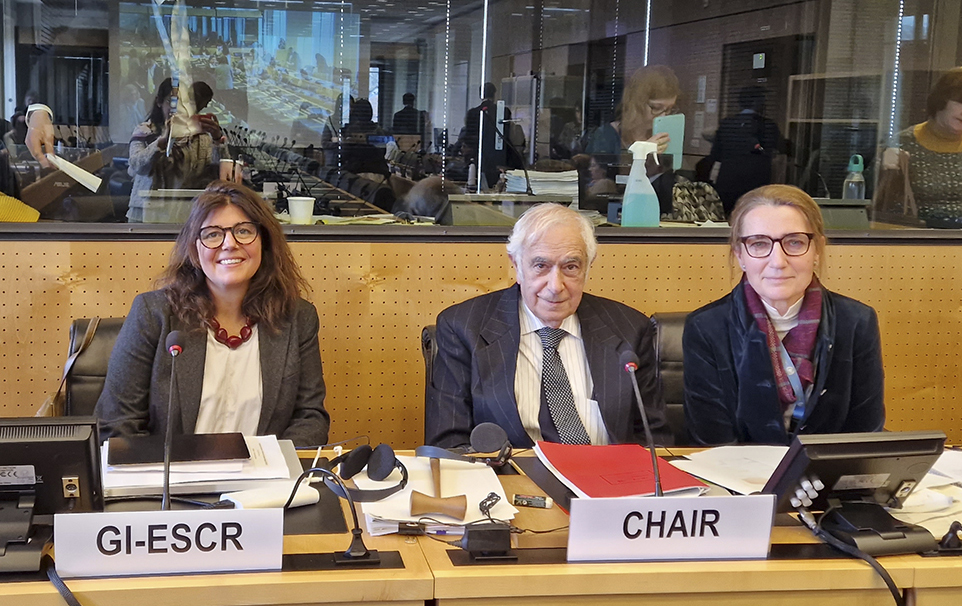
In a world where individuals, groups and peoples continue to suffer serious human rights violations, the GI-ESCR continues to apply its talents and visions to press for fundamental changes to the systems and practices that perpetuate in equalities and marginalisation.

Prof. Marcos Orellana

Chair of the Board from November 2022

Image

Message from Executive Director

Image

GI-ESCR is part of a movement that is rethinking power relations and our relationship with the planet. During 2022, we took further our commitment to facilitate discussions and agreements on the actions that are needed. We worked in several ways to establish economic, social, cultural, and environmental rights as an essential point of reference for reforming the institutions that govern our societies.

Magdalena Sepúlveda Carmona

Executive Director

Achievements in numbers

Media coverge

0
media mentions
0
LANGUAGES
0
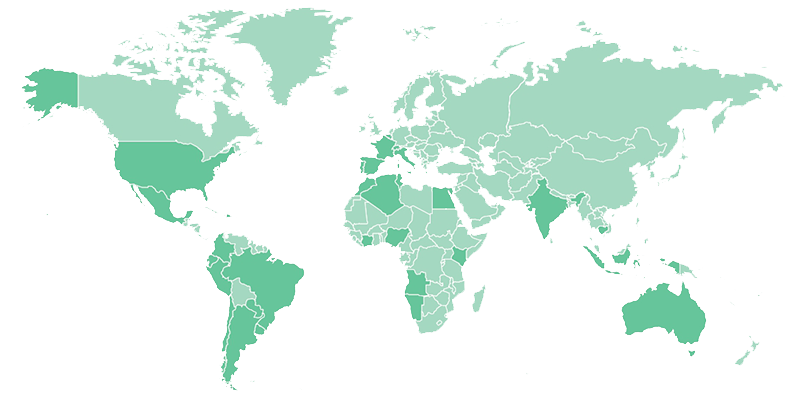
COUNTRIES
Image

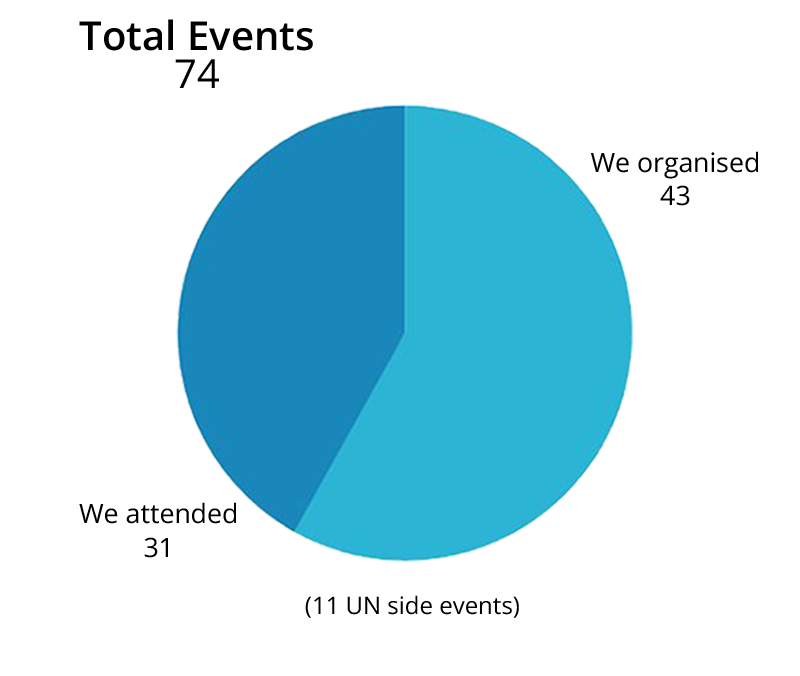
Events

Image
Image

Submissions

Image
0
Submissions to UN Bodies
0
Submissions to the Inter-Ame-rican Commission on Human Rights
0
Statements to UN Human Rights Council
0
Submissions to the African Commission on Human and Peoples’ Rights

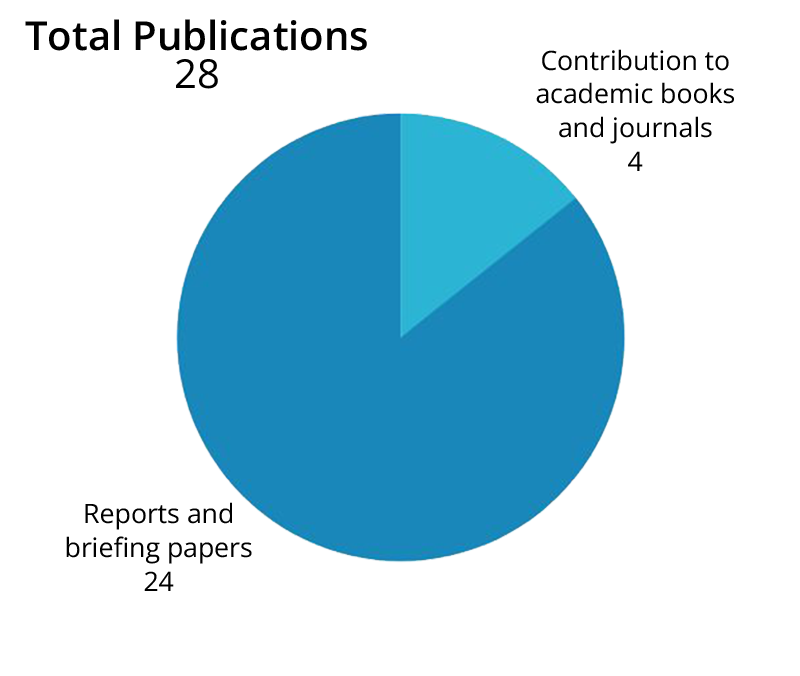
Publications
Image
Image

Videos

The event on the future of tax reform in Latin America was streamed by EFE News Agency
0
videos
0
WATCH TIME MINUTES
0
million PEOPLE

Testimonials

It would be remiss on my part if I don’t take cognisance of the support that we received from five partners, namely, the Centre for Human Rights, University of Pretoria, Dullah Omar Institute, Global Initiative for Economic, Social and Cultural Rights, Initiative for Social and Economic Rights, Open Society Foundation and Right to Education Initiative. In this regard, the Commission is extremely grateful to our partners.
Not many organisations come back to communities with their research findings to achieve change. But GI-ESCR has done exactly this, coming back to disseminate their research with communities to raise awareness and mobilise for change.
From Global Women’s Network for the Energy Transition perspective, the side-event organized by GI-ESCR at United Nations Commission on the Status of Women 2022 provided us with the extremely valuable opportunity to reach out to a different audience, an audience anchored in the women’s rights movement, whereas our usual audiences are more at home with issues of energy and climate change. We are grateful for this opportunity and look forward to future cooperation possibilities.

Examples of collaborative impact

We see our work as a cycle, an upward spiral of iterative and cumulative change in which local and global actions influence and benefit ea ch other.

Our normative proposal was included in the draft constitution prepared by Chile’s Constitutional Convention

In 2022, along with partners and as part of our programmatic work in Chile, we submitted to the Chilean Constitutional Convention a normative proposal for universal public services of good quality. The proposal was accepted by the Constitutional Convention and eventually included into the draft constitution.

Image
Image

Victory for indigenous women in Mexico who are fighting for a just energy transition

After years of advocacy, the Zapoteca indigenous community of Unión Hidalgo in Mexico achieved a significant victory over a transnational company that had failed to deliver a just energy transition. On 3 June 2022, Mexican authorities cancelled a large wind energy project that Electricité de France (EDF), a transnational French energy company, was planning to build on their territory without their participation or free, prior and informed consent. For several years, the community had denounced human rights abuses committed by those developing the energy project.

We influenced the education sector in Côte d’Ivoire

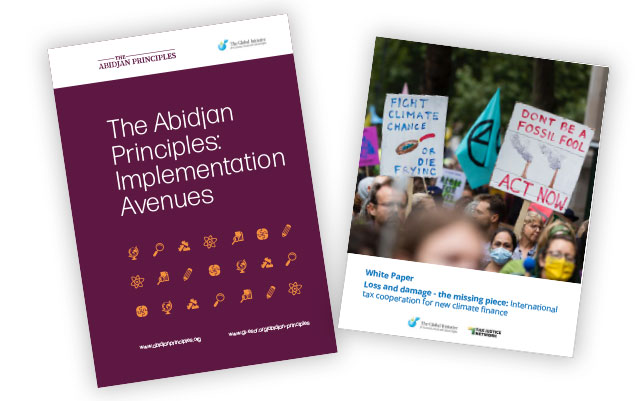
In 2022, we published a joint report with our partner, Movement Ivoirien des Droits Humains, on the impact of privatised and commercialised education on the right to education in Côte d’Ivoire in light of the Abidjan Principles.
Image
Image

Our normative proposal was included in the draft constitution prepared by Chile’s Constitutional Convention

In 2022, along with partners and as part of our programmatic work in Chile, we submitted to the Chilean Constitutional Convention a normative proposal for universal public services of good quality. The proposal was accepted by the Constitutional Convention and eventually included into the draft constitution.
Image

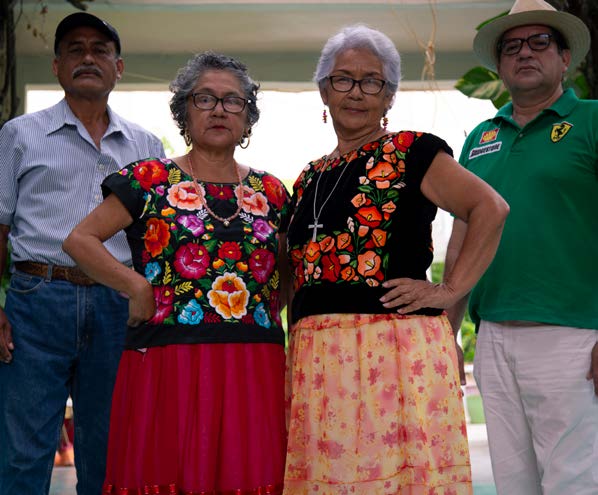
Victory for indigenous women in Mexico who are fighting for a just energy transition

After years of advocacy, the Zapoteca indigenous community of Unión Hidalgo in Mexico achieved a significant victory over a transnational company that had failed to deliver a just energy transition. On 3 June 2022, Mexican authorities cancelled a large wind energy project that Electricité de France (EDF), a transnational French energy company, was planning to build on their territory without their participation or free, prior and informed consent. For several years, the community had denounced human rights abuses committed by those developing the energy project.
Image

We influenced the education sector in Côte d’Ivoire

In 2022, we published a joint report with our partner, Movement Ivoirien des Droits Humains, on the impact of privatised and commercialised education on the right to education in Côte d’Ivoire in light of the Abidjan Principles.

Public Services and the regulation of private actors

We work to reverse the harmful effects of commercialising public services such as education, healthcare, water, sanitation and social protection. We monitor the impacts of privatisation and commercialisation on these services, expose abuses when they occur, demand that those responsible are held accountable, and promote alternative arrangements aligned with human rights
Image
Image

Health

GI-ESCR gathers evidence of the impact of commercialised healthcare on human rights
Image

Education

GI-ESCR works to promote quality public education for all and for regulation of for-profit actors in education

Addressing the environmental breakdown and ensuring a gender-just transition

We highlight the severe threat posed by climate change to economic, social and cultural rights and demand that States and other actors take ambitious action to address Climate Change through green transition plans that respect, protect and fulfil human rights, especially the rights of women
Image

Strengthening economic, social, cultural and environmental rights frameworks, institutions, and accountability

Image
We work to ensure that human rights frameworks and institutions are capable of responding effectively to contemporary economic, social and cultural injustices. We support national and local rights advocates to leverage the human rights system to fight social, economic and climate injustice and press for safe and accessible spaces in which civil society can engage with human rights monitoring and accountability bodies. We also disseminate the activities of human rights monitoring bodies and work alongside partners to ensure that these institutions remain strong, credible and sufficiently resourced to discharge their important mandates

Advocating for international standards on the Chilean Constitutional process

During 2022 GI-ESCR continued its work in Chile, pushing for a rights-respecting, gender-inclusive and social justice agenda in the Constitutional process.

The Constitutional Convention established in 2021 offered the ideal opportunity to develop and apply a progressive conception of economic, social, cultural and environmental rights, including standards on gender equality, public services and fiscal policies.
Having begun our work in Chile in late 2019, by 2022 GI-ESCR had become a key player in Chile’s social and political ecosystem.

Image

Gender Equality and women’s rights

Image
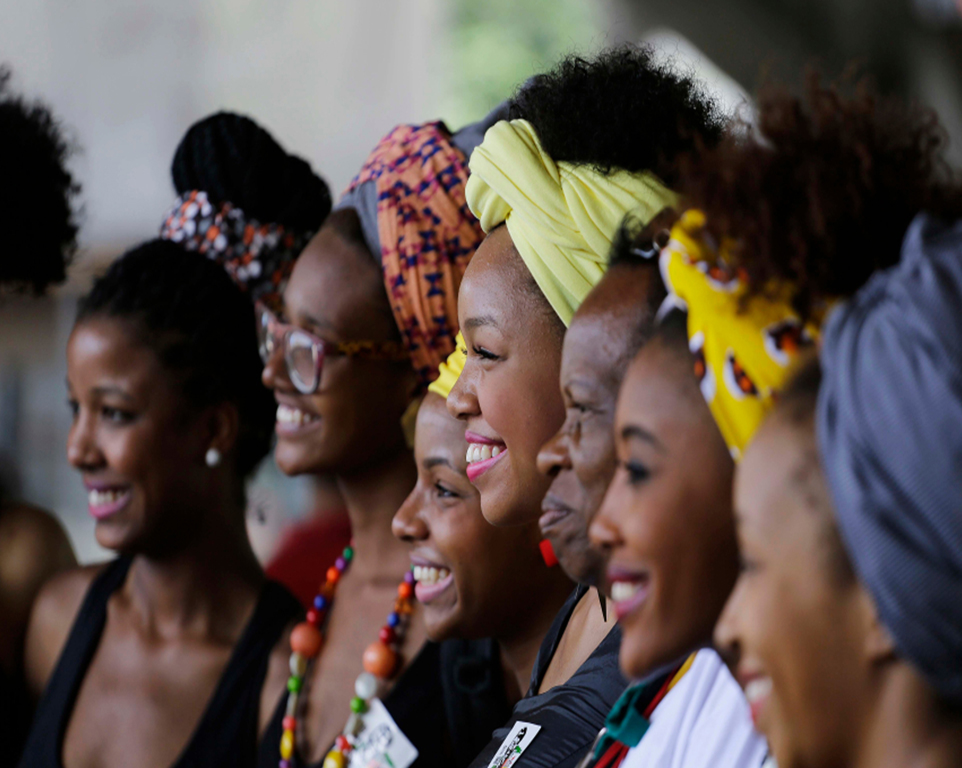
We aim to transform social norms, power structures and the roots of inequality and discrimination by placing substantive gender equality at the heart of our advocacy to achieve economic, social and environmental justice
  • Mainstreaming gender
  • Influencing key international fora on women’s rights and
    gender equality
  • Strengthening the movement for a feminist energy transition
  • Feminist alternatives to the commercialisation of public services
  • New standards for gender equality in Africa
  • Mainstreaming women’s demands in Chile’s constitutional process

Fiscal justice to achieve economic, social, cultural and environmental rights

We advocate for putting human rights at the centre of tax and public spending policies in order to invest in public services, overcome gender inequalities, and address the climate emergency

  • Without taxes, rights cannot be delivered
  • Fiscal justice to achieve gender justice
  • Bridging tax and climate justice in global forums
  • Tax cooperation in Latin America
Image

Partnerships and networks 2022

Image

Relationships and partnerships are at the core of GI-ESCR’s strategy. By cultivating solidarity and equitable partnerships, we promote collaboration and initiatives to establish and realise human rights that are grounded in diverse perspectives

During 2022 GI-ESCR continued actively to facilitate spaces to harness collective power and break down disciplinary silos. In collaboration with organisations, movements, trade unions and groups, we linked grassroots actors and communities to national, regional and global fora. We also connected with new constituencies and explored innovative strategies to influence public opinion and raise awareness of human rights.

Representation

Women in GI-ESCR

0
% STAFF
0
% SENIOR MANAGEMENT
0
% BOARD
Image

Financial overview

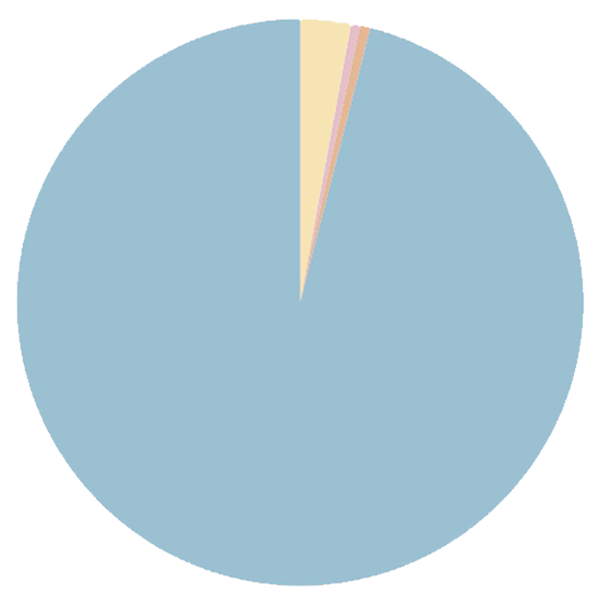
Income

Image

$1,172,251

1,055,357.00
Foundations
90%
112,094.00
Government
9.6%
2,011.00
Individual contributions
0.2%
-
In-kind contributions
-
2,789.00
Other
0.2%

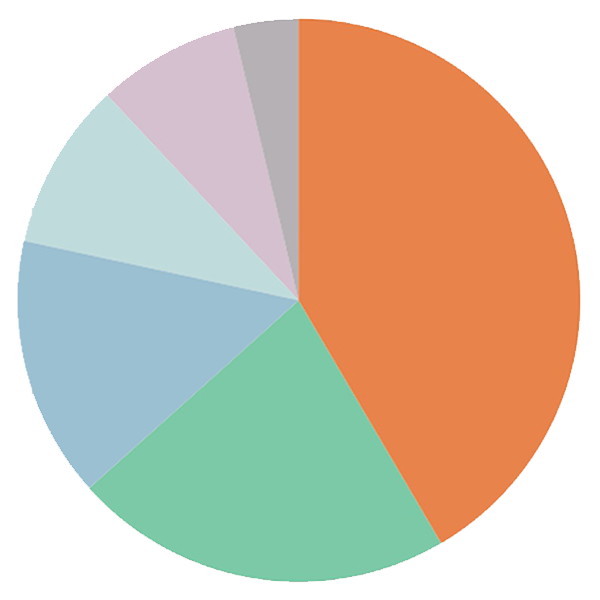
Expenses

$1,172,251

95,865
Environmental breakdown and just transitions
8%
178,570
Institutional frameworks
15%
487,942
Reverse the commercialisation of public services
42%
112,094
Government
10%
255,558
Operations
21%
42,222
Fundraising
4%
Image

$1,172,251

95,865
Environmental breakdown and just transitions
8%
178,570
Institutional frameworks
15%
487,942
Reverse the commercialisation of public services
42%
112,094
Government
10%
255,558
Operations
21%
42,222
Fundraising
4%

Related Articles

Annual Report 2021

Biennial Report 2019-2020

Annual Report 2018

NEWSLETTER

Ne manquez aucune mise à jour!
Image

Sélectionnez votre langue

Social Media:

Log in

Climate and Environmental Justice

We have advanced rights-based and gender-transformative transition frameworks through research that centres the lived experiences of women and marginalised communities on the frontlines of extractive energy policies, promoting climate and energy frameworks attentive to the social and care-related impacts of transition pathways. We have developed a clear vision for a gender-just transition, firmly rooted in gender and human rights norms, establishing both the legal basis and the direction for the transformative changes our planet and societies urgently need. In particular, the ‘Guiding Principles for Gender Equality and Human Rights in the Energy Transition’, a collective effort built through online consultations, an in-person workshop and multiple rounds of revision with activists, practitioners and experts from around the world, outline a transformative vision for reshaping global energy systems through a human rights and gender equality lens.

Our work recognises that the climate emergency is both an existential threat and an opportunity to reimagine societies built on social, gender, economic and environmental justice. We ground our advocacy in feminist and intersectional principles, prioritising the agency and perspectives of communities in the Global South who have contributed the least to the climate emergency yet face its most devastating consequences. Central to our approach is the understanding that energy is not merely a commodity but a fundamental human right; essential for dignity, health, education, work and the realisation of countless other rights. We challenge approaches to the energy transition that risk replicating the harmful patterns of fossil fuel extraction and, instead, advocate for transformative policies that ensure human rights and gender equality as central to building climate-resilient societies rooted in dignity, justice and planetary well-being.

What's next?

We will continue to challenge approaches that treat energy transition as merely a technical shift, instead positioning it as an opportunity to reimagine economies and societies rooted in dignity for all, with particular attention to communities in the Global South who have contributed least to the climate emergency yet are most exposed to its worst effects.

We will connect community-level evidence and the lived experiences of those on the frontlines of extractive policies to national reform and global norm-setting, breaking down silos between human rights, gender, and climate movements, and advancing a shared vision that recognises just transitions as not only fundamental to achieving climate-resilient and sustainable societies, but as transformative pathways that advance social and gender equality, redistribute power and resources equitably, and ensure that energy systems serve the public good rather than profit.

We will mainstream rights-based and genderjust transition priorities in key multilateral spaces (particularly, within the Just Transition Work Programme and the to-be-developed Just Transition Mechanism, within the UNFCCC) to guarantee that just transitions are advanced at all levels.

We will also translate our work, through strategic advocacy, into at least two concrete policy wins, whether promoted, adopted, implemented, or scaled, in priority countries (Argentina, Brazil, Chile, Mexico, Colombia, South Africa, or Kenya), ensuring these policies align with human rights standards, centre gender equality, and reflect the needs and views of affected communities.

We will build momentum for the progressive recognition of the right to sustainable energy to shift dominant narratives away from purely extractive solutions that sideline gendered impacts, community participation, and Global South perspectives.

Economic Justice and Climate Finance

Our work has transformed the global discussion on fiscal policy in a more just, emancipatory and sustainable direction. Our approach has combined both high-level, expert contributions within decisionmaking circles, with bold, impactful work on narrative change with the general public.

We have been instrumental in the inclusion of human rights as a guiding principle of the future United Nations Framework Convention on International Tax Cooperation, a multilateral instrument with the potential of raising approx. USD 492 billion per year in public revenues currently foregone to global tax abuse. In the process leading to the ‘Compromiso de Sevilla’ decided at FfD4, we proposed and succeeded in creating a specific human rights workstream within the Civil Society Financing for Development Mechanism, which was critical to ensure that explicit commitments on the matter were included in the negotiating outcome. In a context of cutbacks in multilateral institutions, we have amplified the capacities of technical experts, providing rigorous technical support and leveraging our influence to ensure the enactments of groundbreaking standard-setting instruments, such as the 2025 UN Committee on Economic, Social and Cultural Rights Statement on Fiscal Policy and Human Rights, and the first ex oficio hearing on the Inter-American Commission of Human Rights on Fiscal and Economic Policies to Address Poverty and Structural Inequality, leading to an upcoming thematic resolution on the matter. We have also bridged the silos between multilateral tax discussions and climate finance debates, promoting ambitious financing commitments to increase international and domestic resource mobilisation during COP 28, 29 and 30.

At the regional level, our engagement with fiscal cooperation platforms such as the Platform for Fiscal Cooperation of Latin America and the Caribbean (PTLAC), where we are member of its Civil Society Consultative Council, and the African Anti-IFFs Policy Tracker, for which we participated in the pilot mission in Ivory Coast together with Tax Justice Network Africa (TJNA), have been critical in cementing a growing engagement between tax administrations and ministries of finance with international legal experts, exploring actionable and transformative initiatives, such as the taxation of high-net-worth individuals, beneficial ownership registries and corporate countryby-country reports, to be implemented at the international level.

At the local level, our interventions in fiscal reform debates in Chile, Brazil, Colombia and Nigeria have contributed to shaping legislative outcomes in a more progressive, rights-compliant direction.

As for our leadership in narrative change, we have a measurable track record in delivering tailored, innovative campaigns which have decisively expanded economic justice constituencies by appealing to a broader tent. In Latin America and the Caribbean, we created the ‘Date Cuenta’ campaign, coordinating over 40 organisations across civil society to deliver plain language, innovative messaging connecting progressive fiscal reforms to the financing of health, education and social protection. ‘Date Cuenta’ generated over 55 original campaign messages that were tailored to the realities of seven priority countries (Argentina, Chile, Colombia, Mexico, Paraguay, Peru and Honduras) and disseminated in Spanish, Portuguese and English. In doing so, we convened more than 65 online co-creation workshops with partners, coordinating a unified communications strategy which combined digital outreach, press and media coverage, and collaboration with influencers. Ultimately, ‘Date Cuenta’ resulted in more than 60,000 interactions on social media, coverage in major regional and international media outlets, including El País, Deutsche Welle, Bloomberg and France 24, and the participation of at least 63 social media influencers through 58 dedicated publications. In collaboration with Fundación Gabo and the Friedrich Ebert Stiftung, we also organised a two-day workshop in Bogota with 20 journalists from 13 countries, building a regional network trained in a human rights-based approach to fiscal policy that has since generated published media coverage on outlets such as La Diaria, Ciper, El Diario Ar and Milenio. Through ‘Date Cuenta’ and our regional advocacy, we strengthened civil society engagement in key processes, including the Financing for Development track and FfD4, co-organised highlevel dialogues with states and civil society from Latin America and Africa.

What's next?

We will shape the UN Tax Convention and its Protocols so they embed human rights principles, and we will stay engaged through follow-up processes (including the expected Conference of the Parties) to support effective implementation. We will keep linking tax and climate finance so that new resources mobilised through fiscal cooperation are channelled to adaptation, mitigation, and loss and damage, in line with UNFCCC commitments.

Public Services for Care Societies

We have translated participatory research into accountability and policy outcomes.

In Ivory Coast, our work with Mouvement Ivoirien des Droits Humains and affected communities since 2023 exposed how privatisation and lack of accountability restrict access to quality healthcare. It contributed to the closure of 1,022 illegal private health centres, an executive instrument strengthening the regulation of private hospitals across the country, and the creation of a permanent complaints management committee in healthcare through a bylaw issued by the prefect of Gagnoa. Partners engaged through this process also advanced concrete improvements at facility level: members of the Gagnoa Midwives Association who took part in the participatory action research pooled resources to renovate the neonatal unit of the Regional Hospital, and the Director of the Gagnoa General Hospital launched an action plan to expand services and improve patient reception, with the facility receiving the award for best hospital in the country in 2025.

In Kenya, our research with the Mathare Education Taskforce documented the absence of public schools and the expansion of private provision, evidencing impacts on households and caregivers and strengthening demands for free, quality public education. This work contributed to stronger community agency and collective organisation, alongside ongoing strategies ranging from communications to litigation to secure a public school in the area, some involving GI-ESCR and others led independently.

Across Africa, this work is complemented by a multi-country study examining the human rights implications of austerity in education and health, including how regressive fiscal policies, rising debt burdens and persistent underinvestment undermine the financing and delivery of public services.

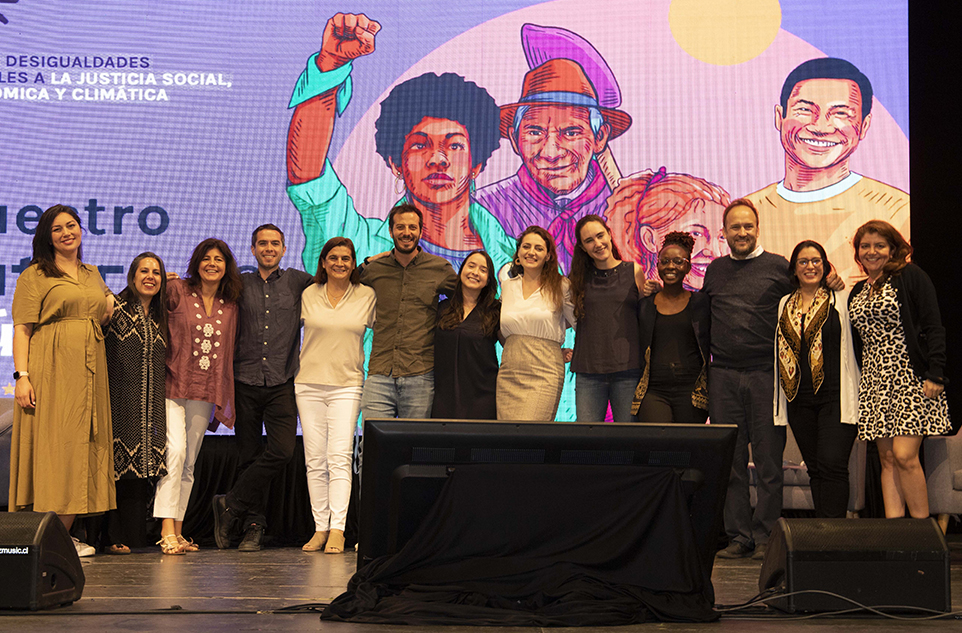
In Latin America, from 29 November to 2 December 2021, over a thousand representatives from over one hundred countries, from grassroots movements, advocacy, human rights, and development organisations, feminist movements, trade unions, and other civil society organisations, met in Santiago, Chile, and virtually, to discuss the critical role of public services for our future. Following the meeting, the Santiago Declaration on Public Services was adopted to demand universal access to quality, gender-transformative and equitable public services as the foundation of a fair and just society.

We are currently advancing work on care systems, linking public services and fiscal justice through integrated research, advocacy and communications, including a regional campaign framing care as a collective responsibility requiring sustained public investment.

What's next?

In Ivory Coast, we will evaluate and strengthen the complaints management committee and position it as a replicable model for other health facilities. In Kenya, we will support the Mathare community to co-design a model public school for Mabatini and Ngei wards, grounded in human rights standards. Building on our multi-country austerity study, we will drive national advocacy on financing for education and health: advancing reforms in Ghana; launching a fiscal policy and public services financing agenda in Kenya through the CESCR process and targeted coalition work; and, in Nigeria, using the new tax acts in force since 1 January 2026 to catalyse a national accountability campaign for adequately funded, quality public services. In Latin America, we will amplify locally led care pilots across 8 countries and turn lessons into influence—advancing care policies that strengthen care organisations, protect care workers’ rights, support unpaid caregivers, include disability and family networks, and redistribute care more equitably.